One-Week Intensive Group Project
Monovolt
XE521 Engineering Design
Domestic Bioenergy System
MonoVolt was a multidisciplinary group engineering design project focused on developing a concept for a domestic anaerobic digestion system capable of converting household organic waste into usable renewable energy. The concept combined anaerobic digestion with microbial electrochemical technologies to improve biogas production, efficiency and system stability, with the aim of creating a compact, carbon-negative energy solution that could operate within the home.
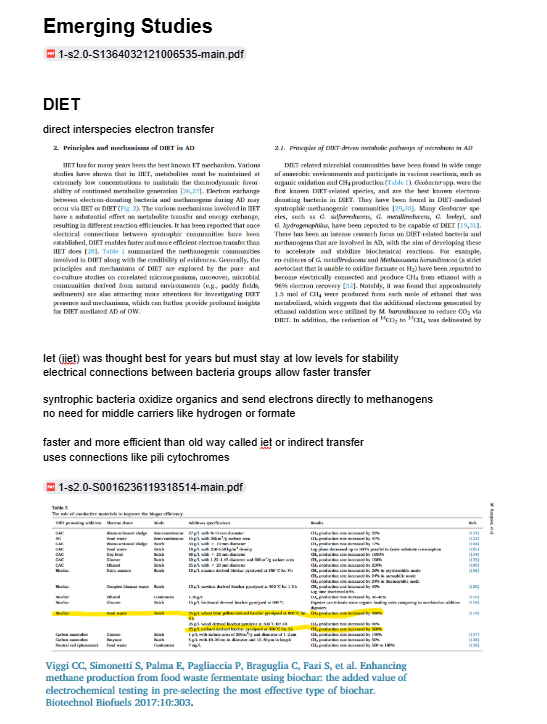
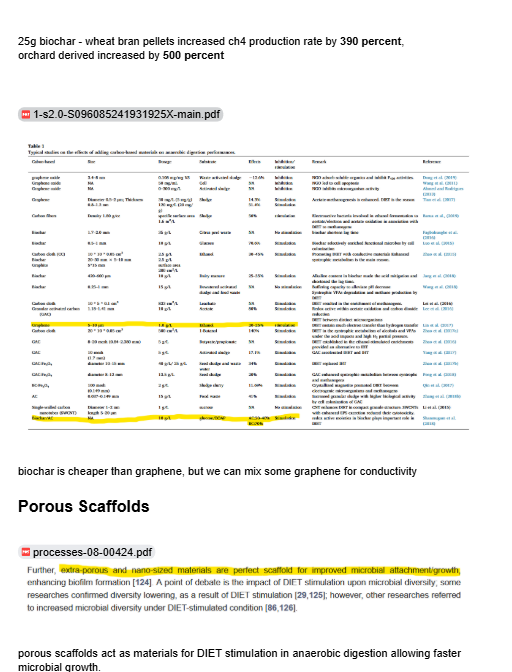
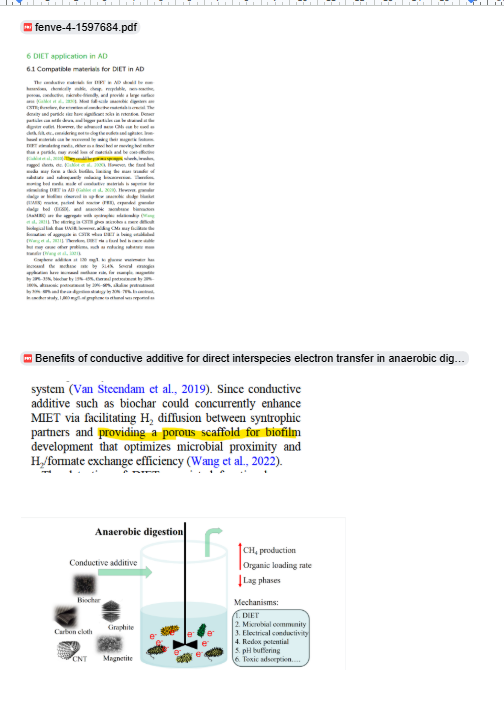
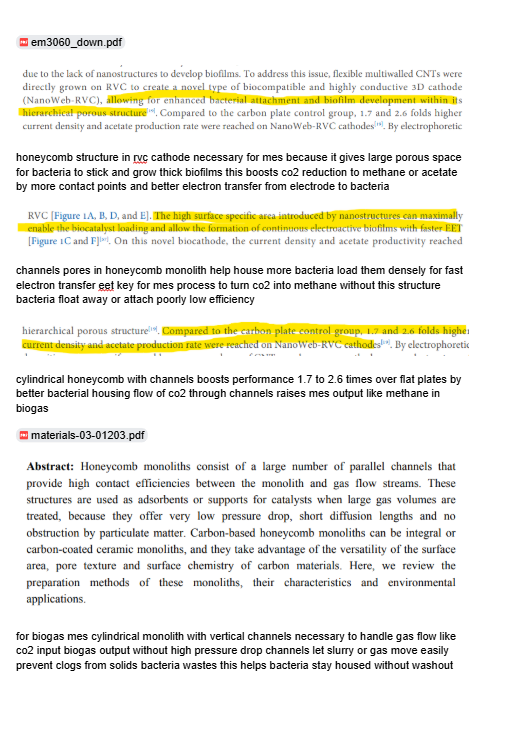
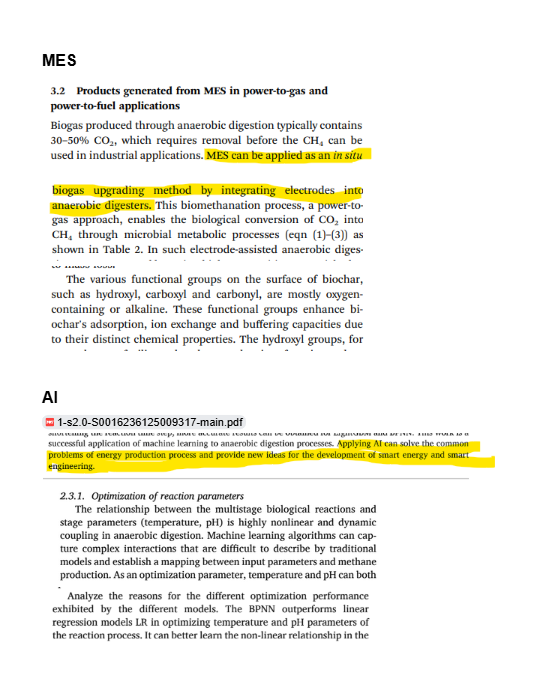
I took a leading role in directing the project's research and technical development, overseeing the investigation of the underlying biological processes, evaluating scientific literature and translating research findings into the proposed system architecture. This involved extensive research into microbial electrolysis, direct interspecies electron transfer (DIET), conductive 3D scaffolding and anaerobic digestion, drawing on academic papers to establish the scientific basis for the proposed technology.
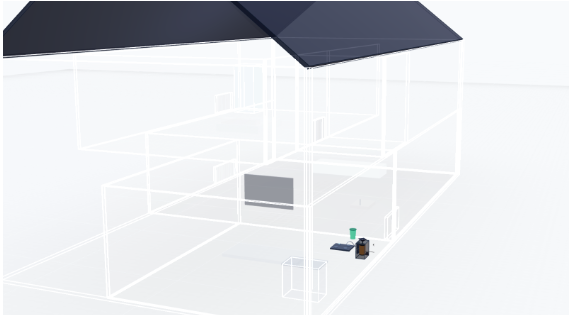
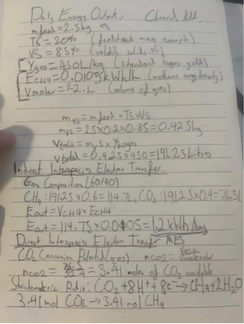
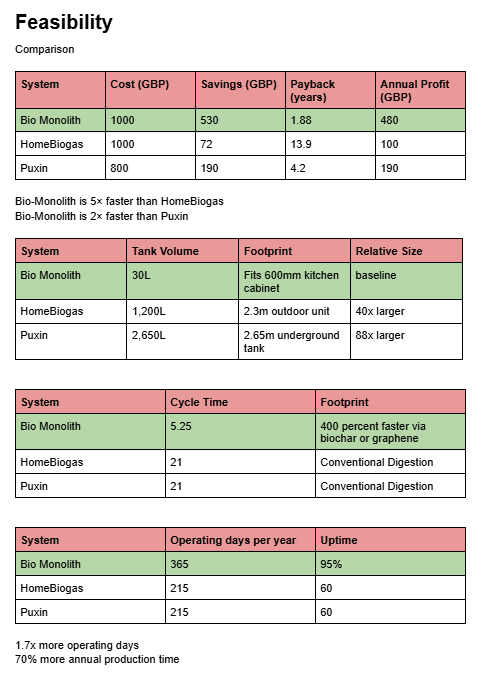
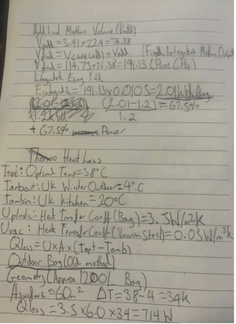
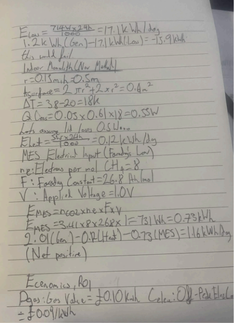
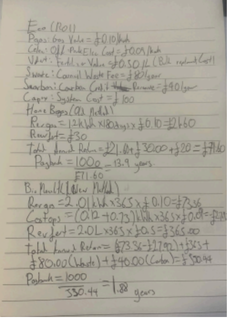
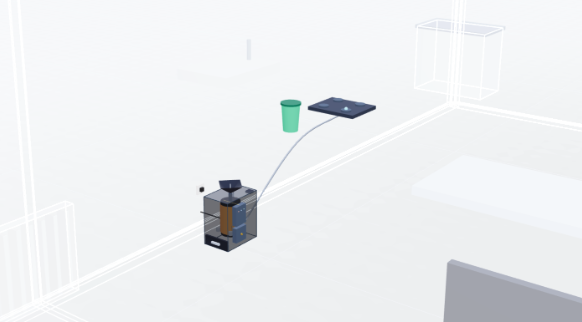
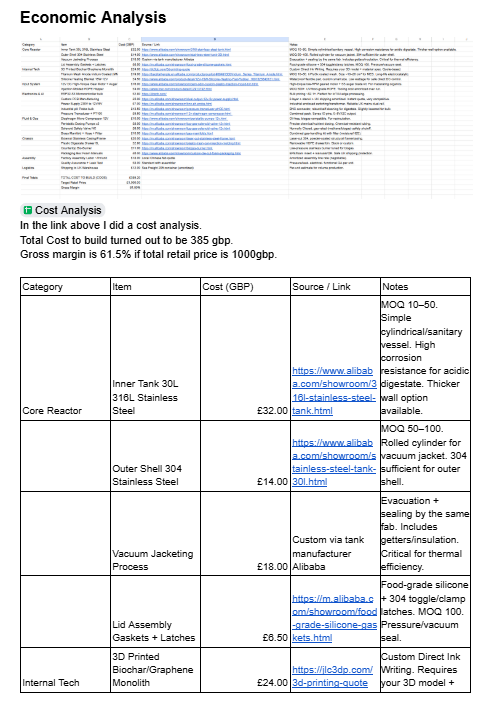
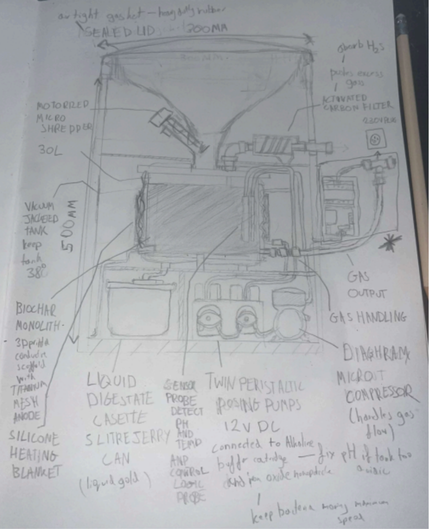
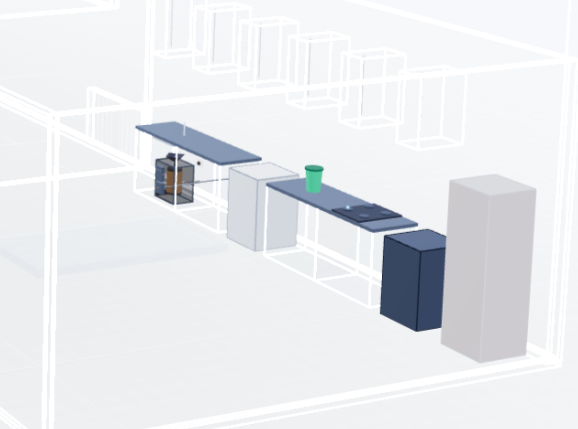
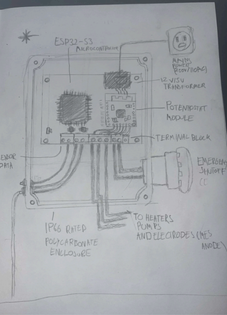
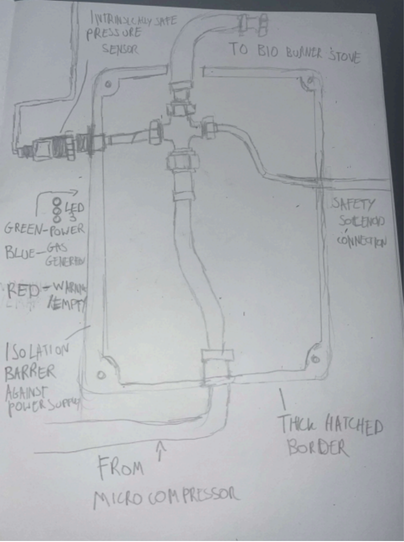
My technical contributions also included carrying out engineering calculations to support the proposed system's performance, assessing relevant operating parameters and helping establish the feasibility of the overall concept. I produced conceptual drawings and technical illustrations to communicate the system architecture, component arrangements and proposed operation.
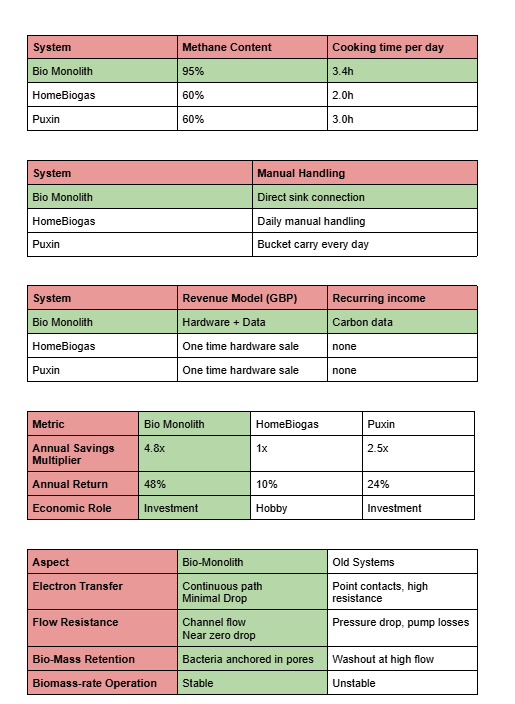
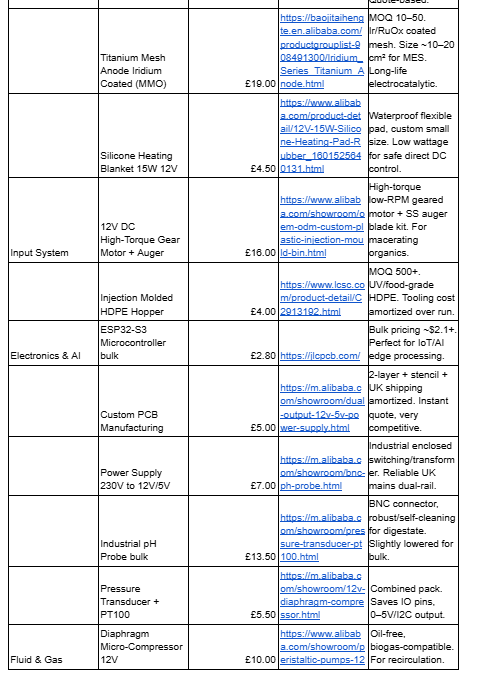
The wider concept incorporated predictive stability monitoring, adaptive system control and household usage analysis to improve operational efficiency. I helped establish how these technologies could work together, connecting the biological processes with the electronic monitoring and software components to form a coherent product concept.
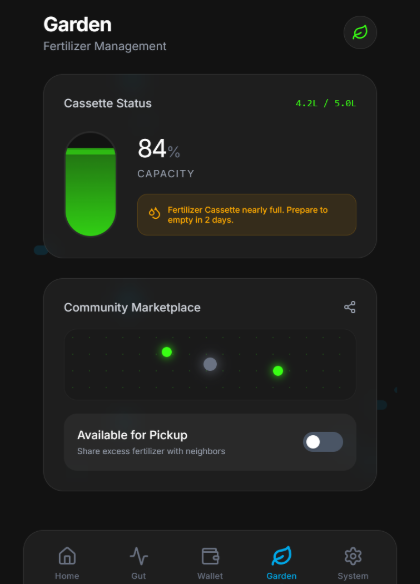

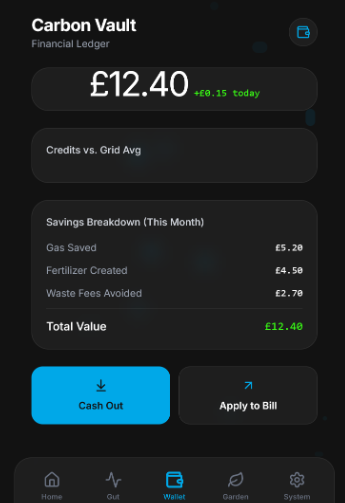
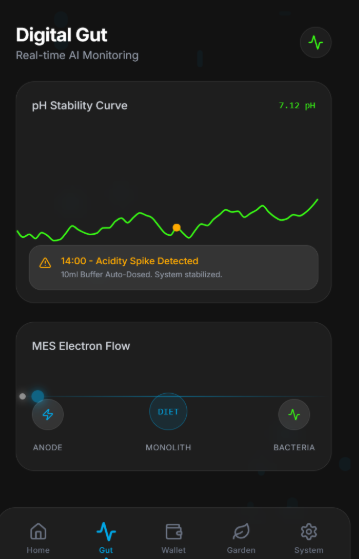
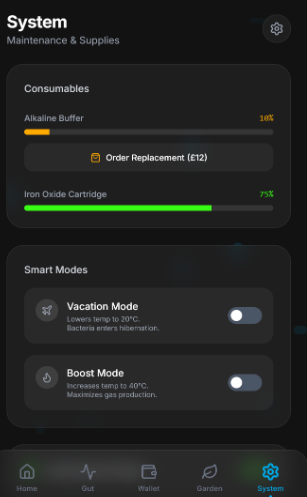
A significant part of my contribution was developing the project's digital intelligence concept. I designed the proposed software architecture and application interface, illustrating how users could monitor system performance, energy generation and biological operating conditions through a dedicated mobile application.
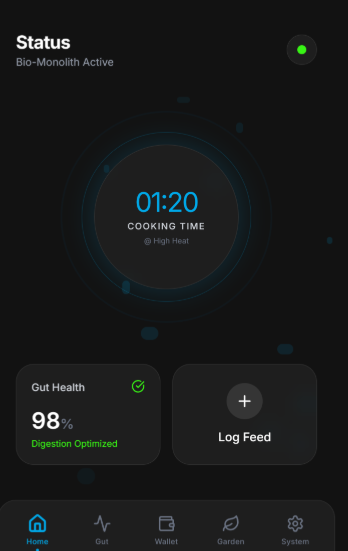
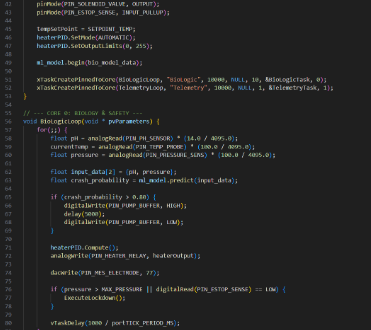
I also explored the integration of sensor technology, dynamic voltage regulation and TinyML-based predictive monitoring to anticipate biological instability and support automated system adjustments.
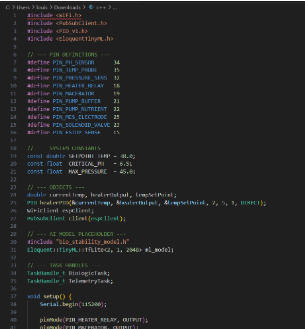
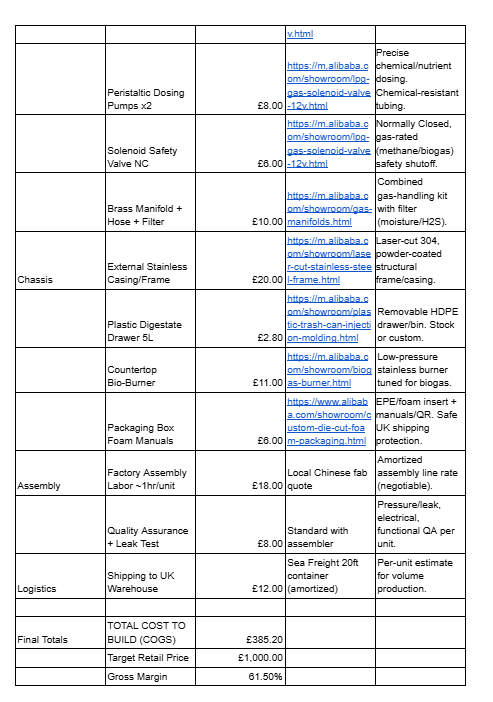
I also designed the project's final presentation poster, bringing together the scientific research, engineering calculations, conceptual drawings, digital architecture and performance assessments into a single technical presentation.
My responsibilities centred on research leadership, scientific investigation, engineering calculations, conceptual design, digital system development and technical communication. I contributed to directing the group's overall approach and integrating its different technical elements into a unified engineering proposal, completed within an intensive one-week project.