ANSYS
PROPELLER ANALYSIS
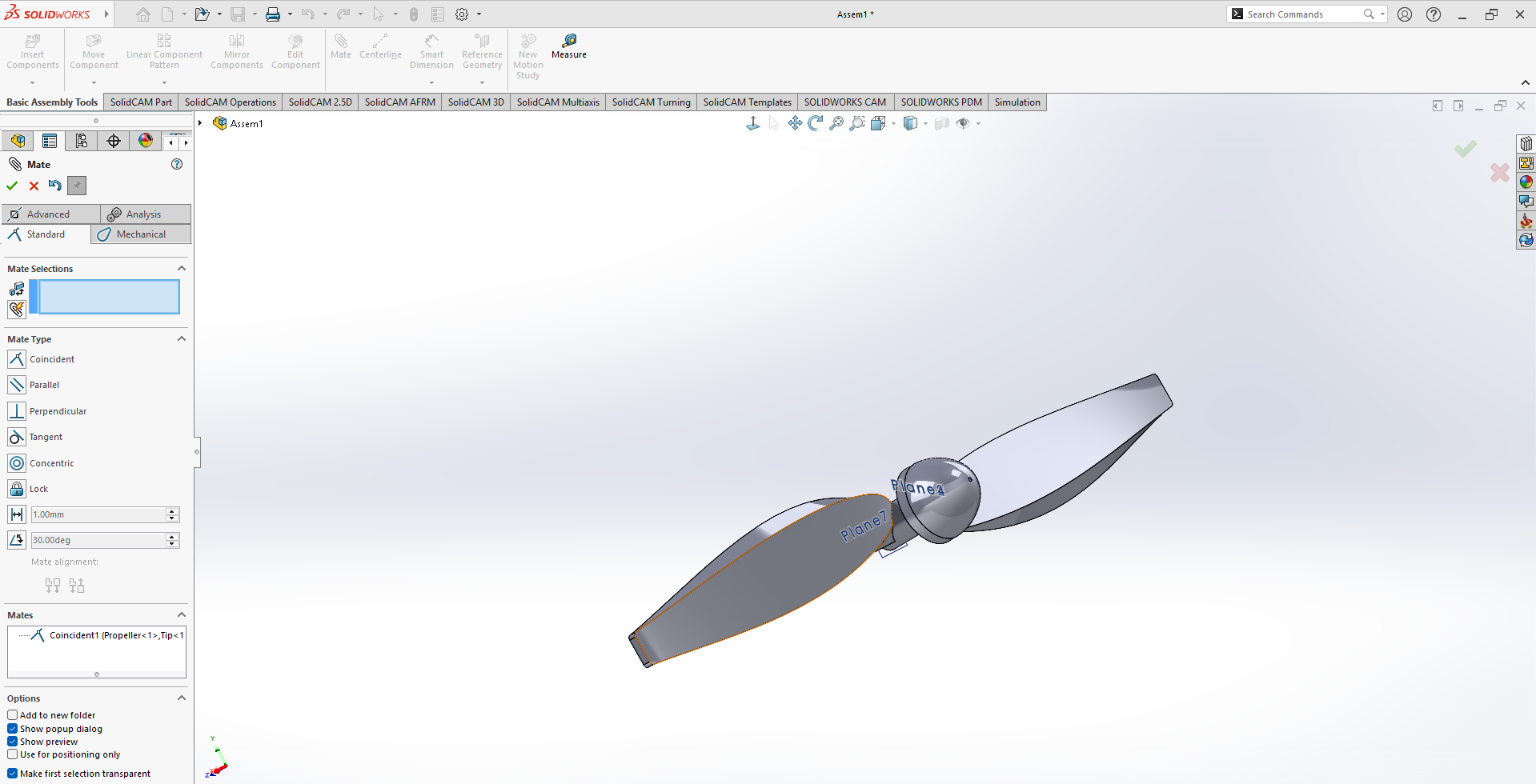
To ensure the Ocelex VTOL propulsion system met the required thrust efficiency standards, I transitioned from mechanical design to advanced fluid dynamics analysis using ANSYS Fluent. I began by exporting the finalized propeller geometry from SolidWorks as a generic STEP file to ensure clean geometry import into the ANSYS DesignModeler.
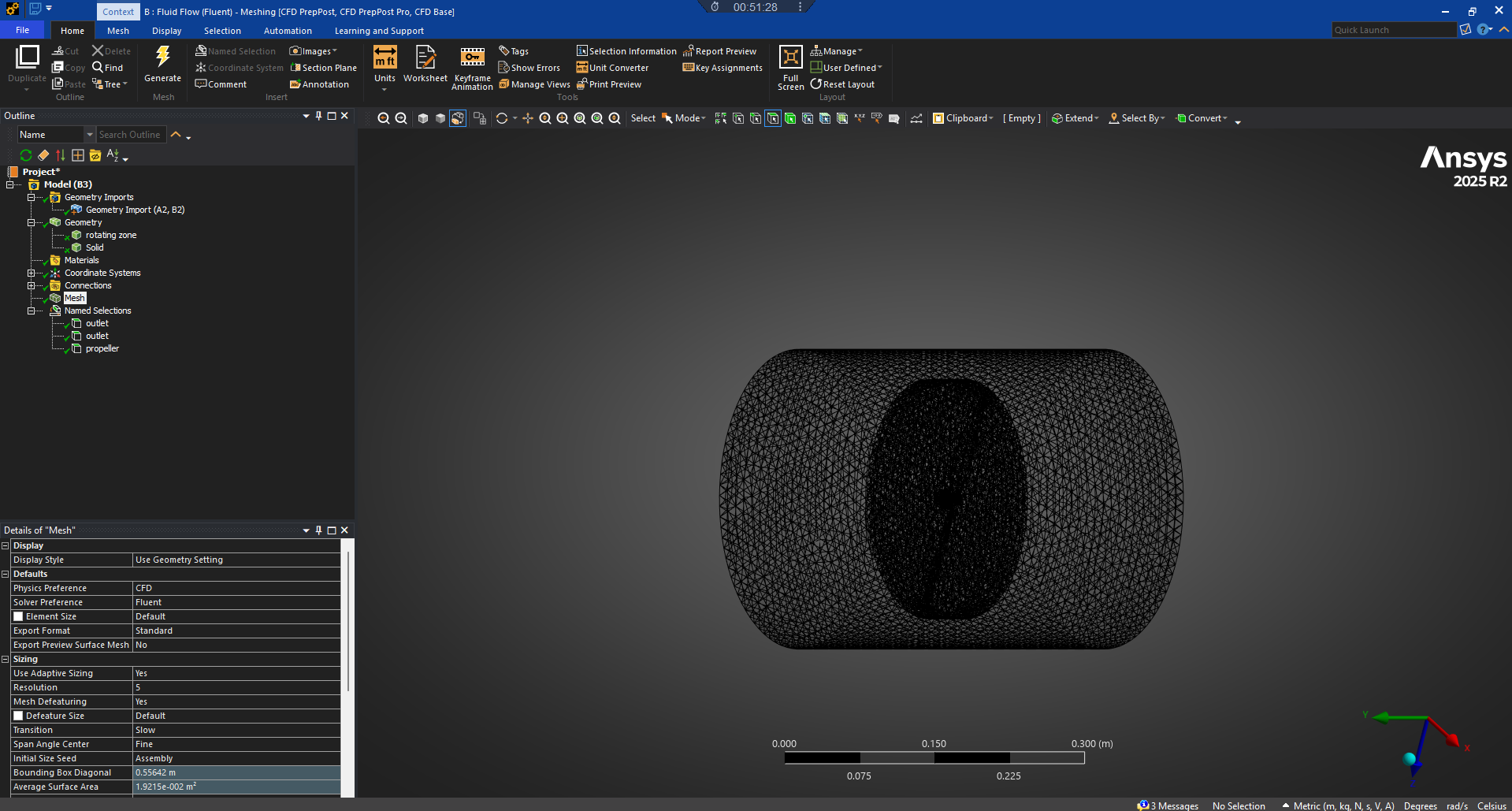
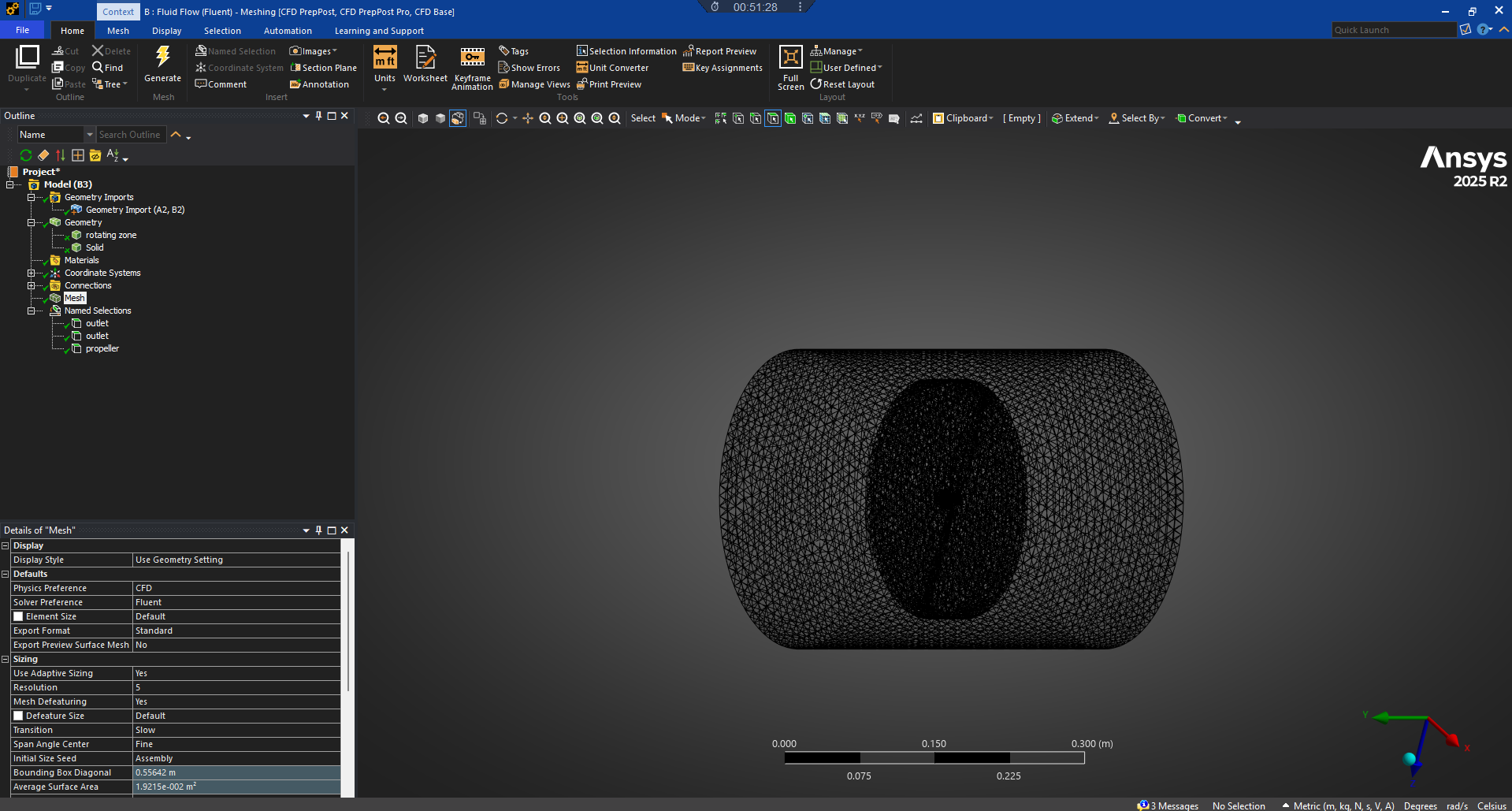
The simulation environment was constructed using a dual-domain approach to accurately capture the physics of rotation. I created a large Stationary Outer Domain (a large cylinder) to represent the far-field environment and applying Pressure Outlet boundary conditions to the faces to allow airflow to enter and exit the system freely without artificial backpressure.
Crucially, I modeled a smaller Rotating Fluid Zone (an inner cylinder) directly encompassing the propeller geometry. This technique, known as the Sliding Mesh method, allows the software to physically rotate the mesh of the inner cylinder relative to the static outer cylinder. I generated a volumetric mesh with high refinement at the interface between these two cylinders to ensure accurate data transfer as the propeller spun.
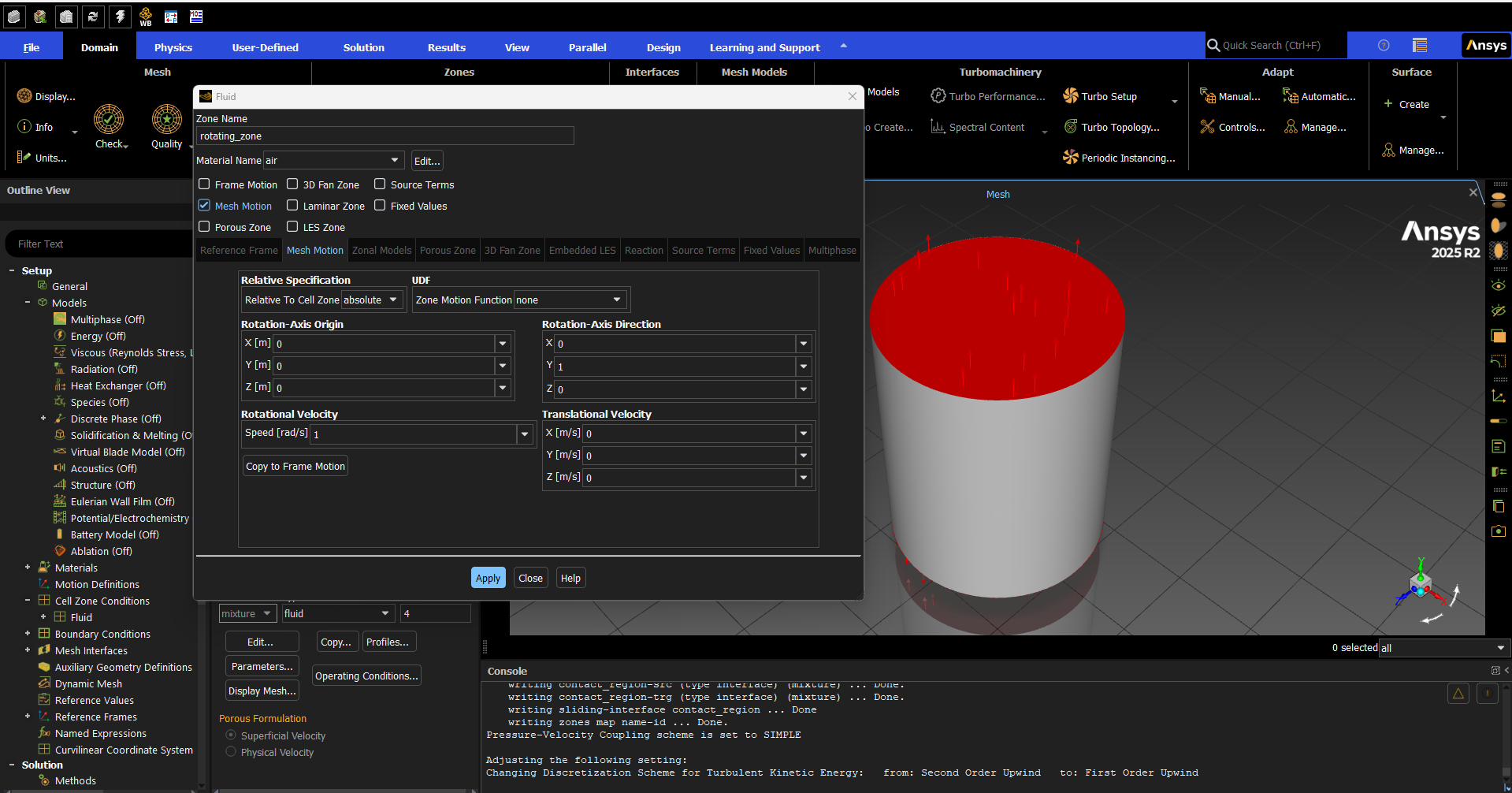
In the Fluent solver, I defined the dynamic mesh parameters, assigning a specific rotational velocity (rad/s) to the inner zone to match the UAV’s operational RPM. I utilized a Transient (Time-Dependent) solver, which calculates the flow physics at every fraction of a second as the propeller rotates. This was essential not just for calculating peak thrust and torque, but for visualizing the development of the wake over time.
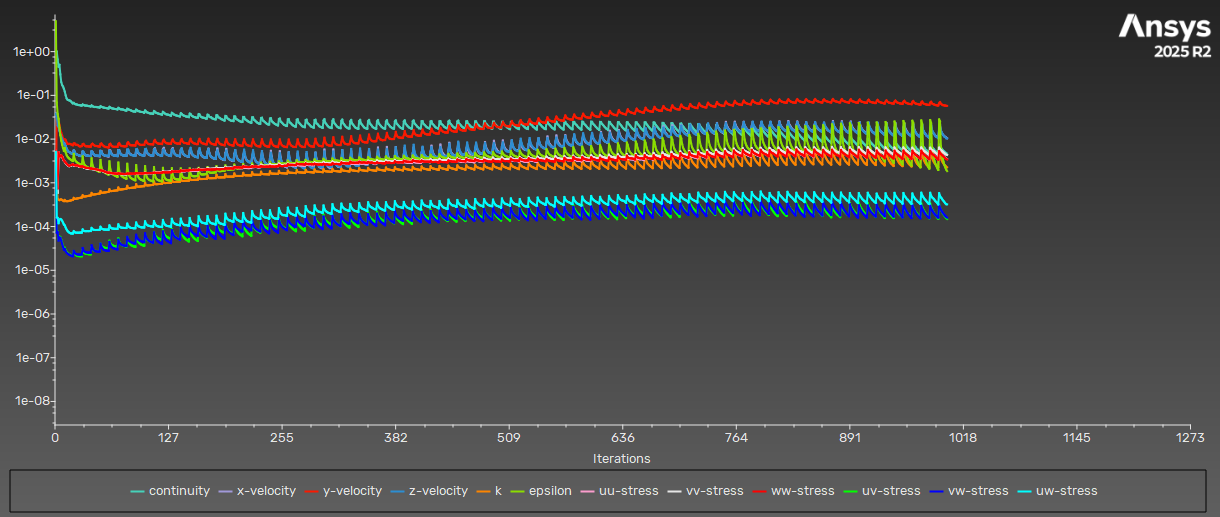
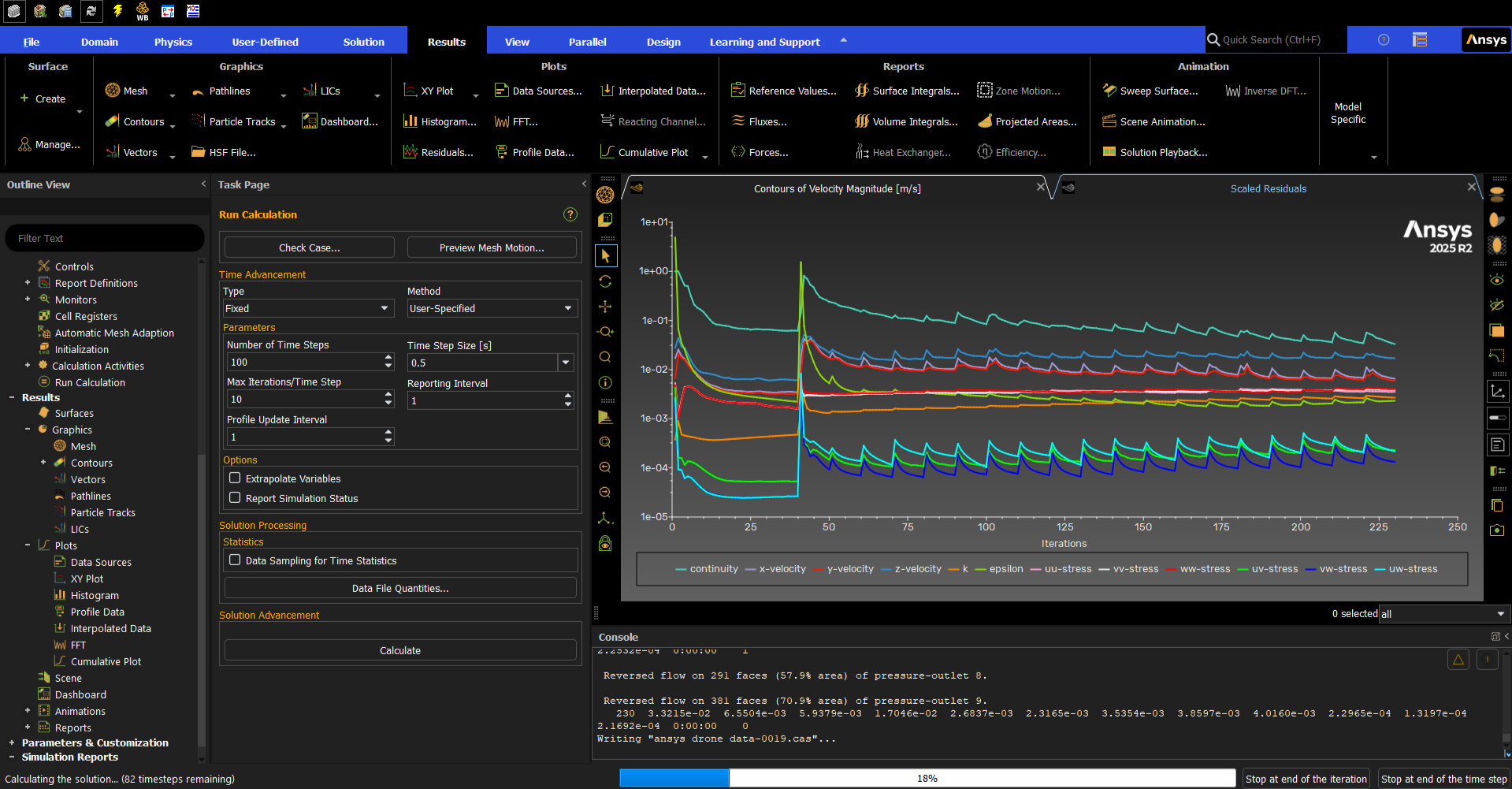
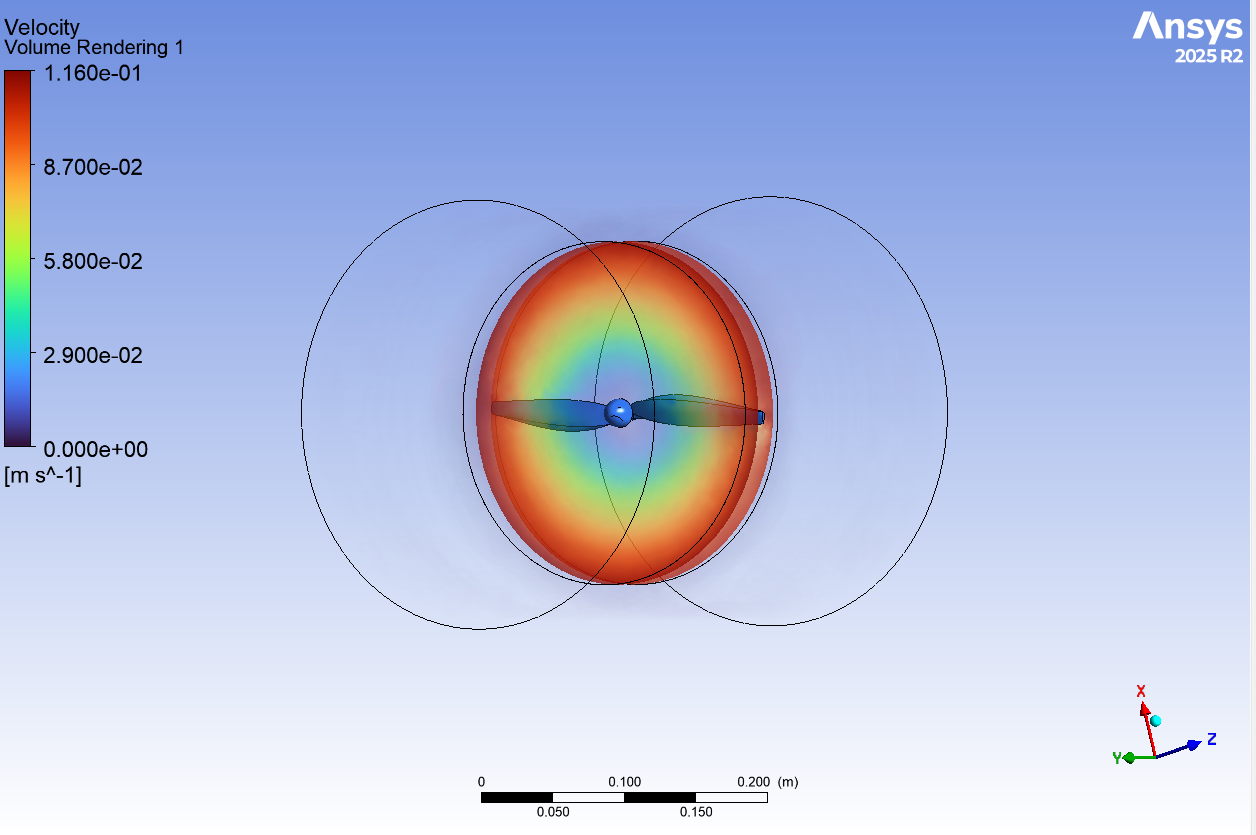
As seen in the volume rendering, the simulation successfully captured the acceleration of air through the propeller disk. The velocity plots show a high-magnitude region at the blade tips, where rotational speed is highest, creating a distinct thrust tube that dissipates into the surrounding air.
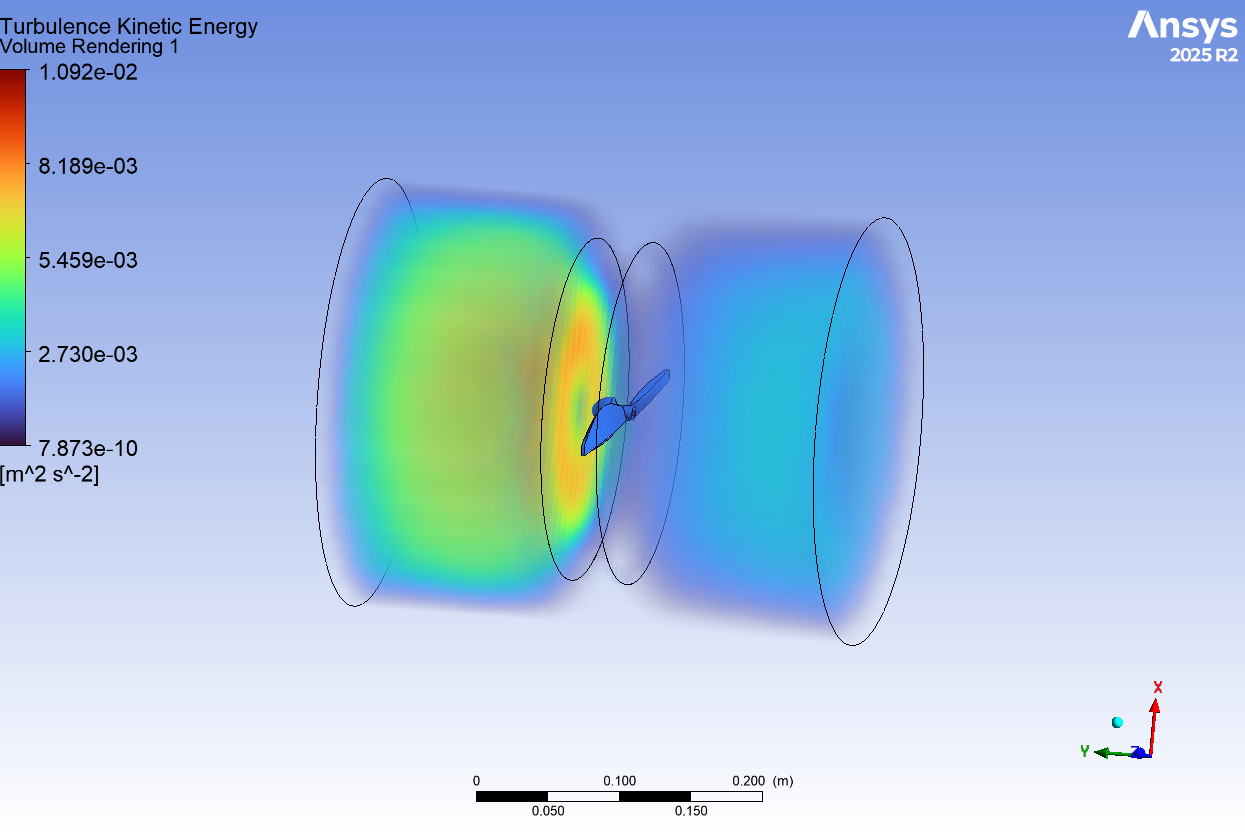
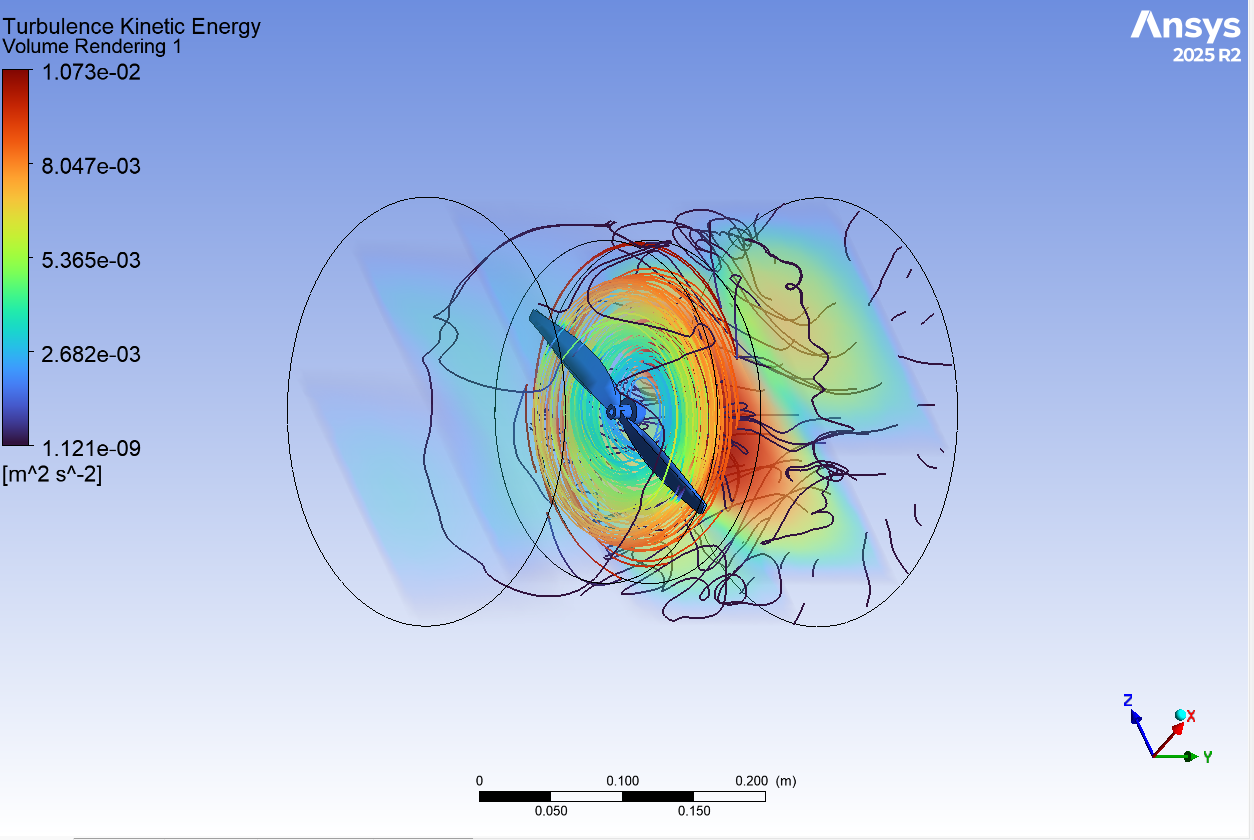
The Turbulence Kinetic Energy plots revealed the formation of tip vortices—swirling spirals of air at the edges of the blades. These visualizations allowed me to analyze energy loss due to drag and turbulence in the immediate wake.
By post-processing the transient time steps, I generated a velocity animation that visualized the actual spinning motion of the propeller. This confirmed that the airflow remains attached to the blade surfaces during rotation and provided a dynamic view of how the thrust column develops and stabilizes during flight operations.
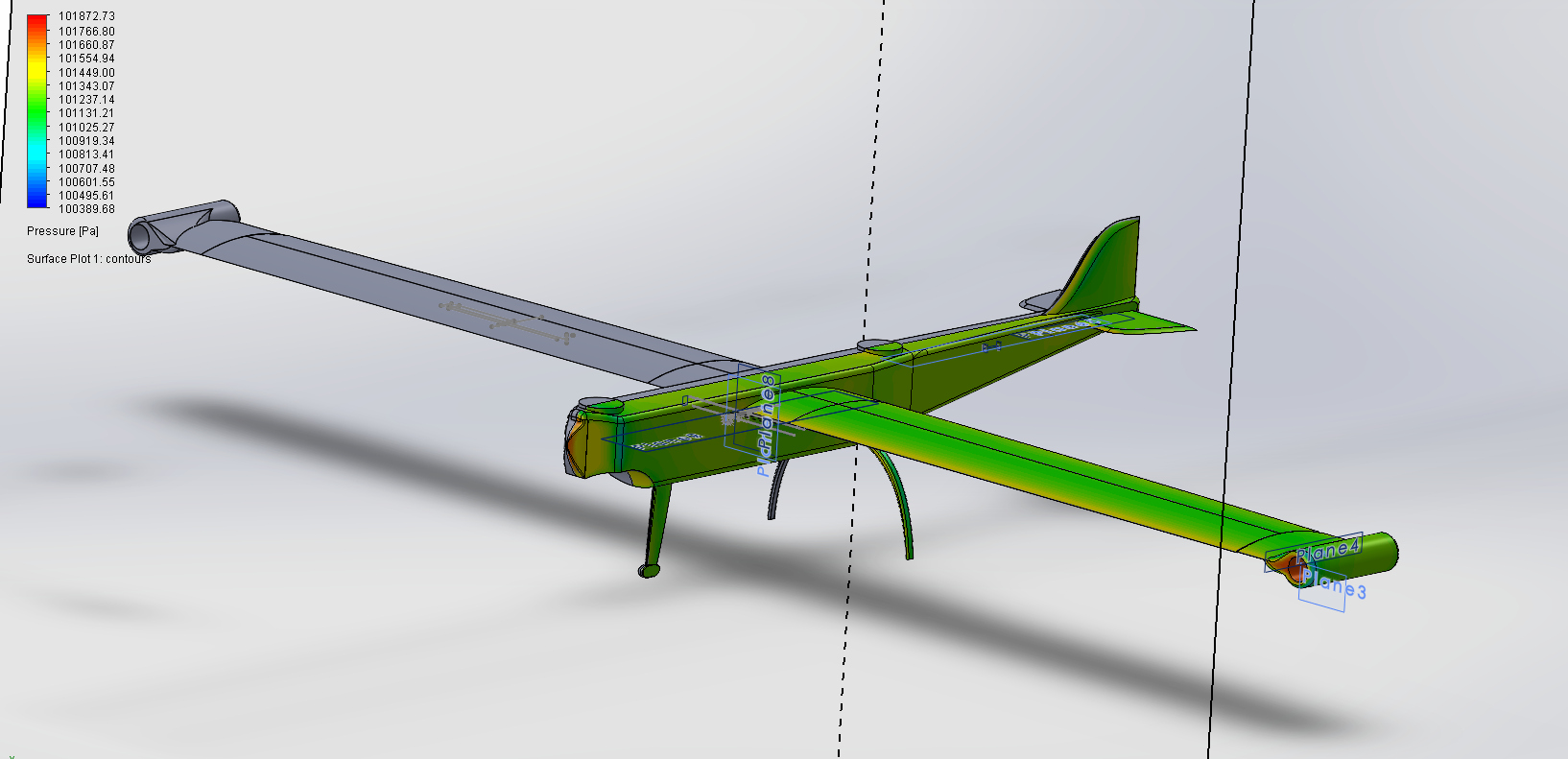
FRAME CREATION & PRESSURE SIMULATION
PROPELLER ANALYSIS
THROTTLE TILT
UAV Engineering & Design

WING ANALYSIS

IOT Simulation

AIoT & Automation


OCELEX Route Optimisation Application

Conveyor
ANALYSIS
AI TRAINING
Workings
EQUATIONS OF MOTION AND CONTROL
CMEMS Data